
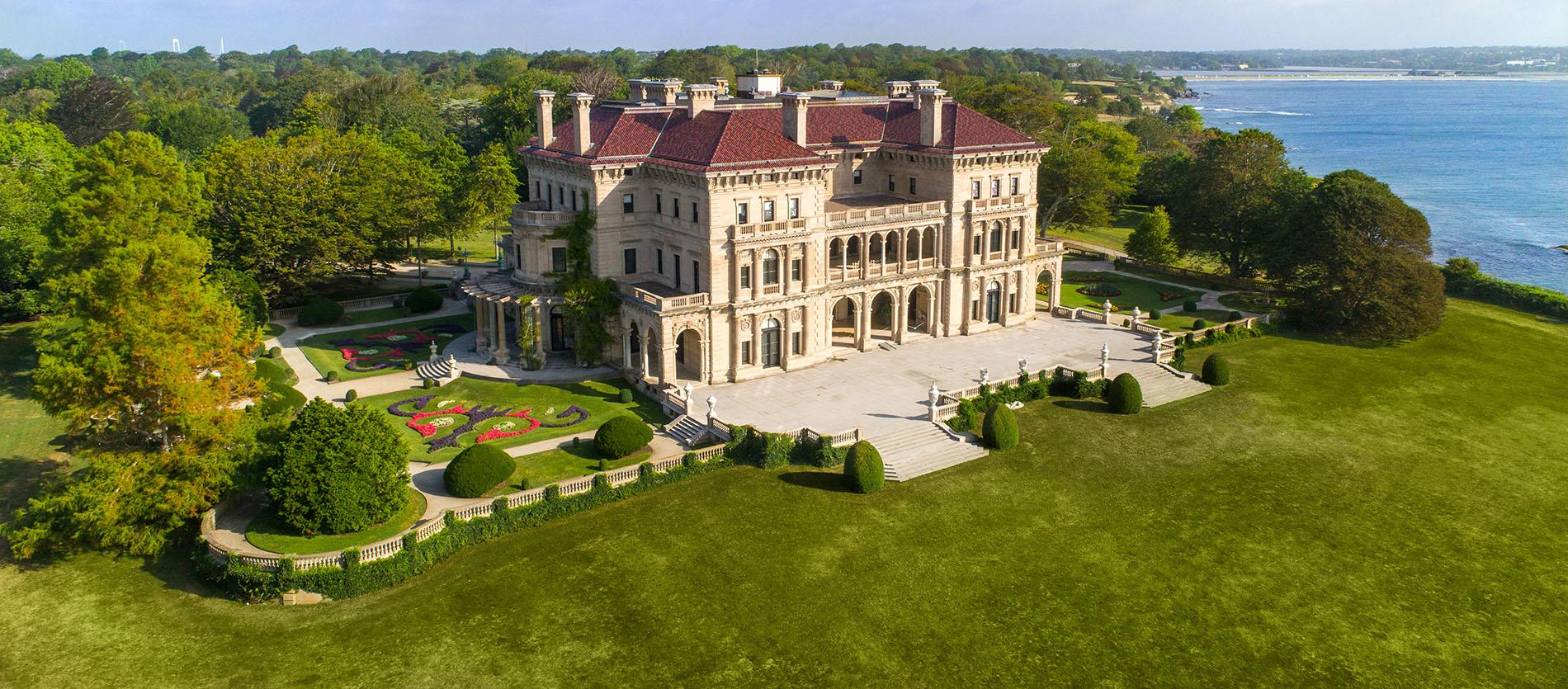
The Breakers: Wealth That Became a Public Treasure
The Breakers was built as the Vanderbilt family’s summer residence and a showcase of Gilded Age achievement. As later generations of the family became important benefactors of universities, hospitals, museums, and cultural institutions, perhaps the greatest philanthropic legacy connected to The Breakers came after the Gilded Age. In 1972, Countess Gladys Széchenyi and the Vanderbilt family transferred ownership of the estate to The Preservation Society of Newport County. Rather than selling or redeveloping the property, they ensured it would be preserved for the public.
Today, millions of visitors have experienced The Breakers because of that decision. The mansion has become an educational resource that supports historic preservation, scholarship, and tourism—an enduring public gift.
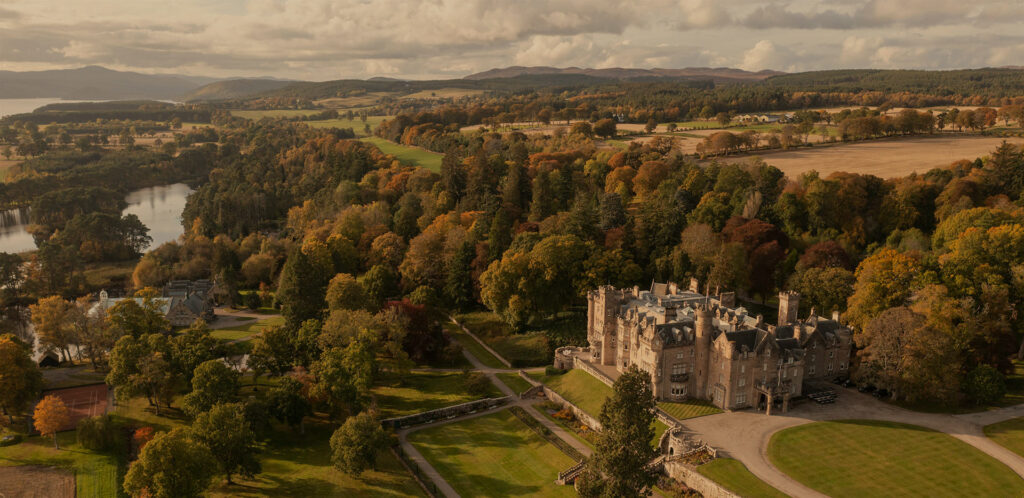
Skibo Castle: Carnegie’s Philosophy in Stone
Skibo Castle was Andrew Carnegie’s beloved Scottish home after he achieved immense success in America. While The Breakers projected the prestige of a leading industrial family, Skibo reflected Carnegie’s quieter personal life and his belief that wealth should ultimately be devoted to society.
Carnegie famously gave away roughly 90 percent of his fortune. His philanthropy established:
- More than 2,500 public libraries worldwide
- Universities and technical schools
- Scientific and educational institutions
- Peace initiatives
- Foundations that continue to award grants today
Skibo Castle became a place where Carnegie entertained educators, diplomats, inventors, and reformers who shared his vision for advancing knowledge and opportunity.
A Shared Legacy
Although the Vanderbilts and Carnegies approached wealth differently, their legacies converge in a meaningful way:
- The Breakers demonstrates how private history can become a public cultural resource.
- Skibo Castle reflects a life dedicated to transforming private wealth into public good.
- Both are preserved today not simply as grand homes, but as places that tell the story of ambition, stewardship, and lasting impact.
That makes them fitting bookends for the Vanderbilt-Carnegie Cup. The trophy, bestowed upon Newport Polo nearly 30 years ago by the late Peter de Savary during his stewardship of Skibo Castle and its transformation into today’s Carnegie Club, represents far more than two celebrated names. It honors the enduring belief that true greatness is measured not by the accumulation of wealth, but by the legacy it leaves through education, preservation, culture, and service.
As Newport Polo celebrates its 150th Diamond Jubilee, that theme resonates especially well. The club itself has endured for a century and a half because each generation has acted as a steward, preserving a tradition while passing it on to the next. In that sense, the Vanderbilt and Carnegie legacies echo the same principle: true greatness is measured not only by what is built, but by what is preserved and shared.